The Galaxy S9 vs iPhone X camera debate has smartphone users split down the middle. Both phones launched as flagship devices in 2018, each promising to deliver the best smartphone camera experience available.
This comparison is for anyone trying to decide between these two powerhouses, especially photography enthusiasts and everyday users who want killer shots without carrying a separate camera. We’ll settle the smartphone camera comparison 2018 question once and for all.
We’ll break down the Galaxy S9 camera quality versus iPhone X camera performance by looking at their actual photo results in different lighting conditions. You’ll also see how their Galaxy S9 iPhone X video recording capabilities stack up, from 4K footage to slow-motion features. Finally, we’ll explore the mobile camera AI features and software differences that can make or break your smartphone photography experience.
By the end, you’ll know exactly which camera delivers better results for your specific needs and shooting style.
Camera Hardware Specifications Comparison
Megapixel Count and Sensor Size Differences
The Galaxy S9 vs iPhone X camera battle starts with their fundamental imaging hardware. Both phones pack 12-megapixel main cameras, but that’s where the similarities end. Samsung chose a dual-aperture approach with their main sensor, while Apple focused on sensor optimization and computational photography.
The Galaxy S9’s sensor measures 1/2.55 inches with 1.4μm pixels, giving it slightly larger individual pixels compared to the iPhone X’s 1/3-inch sensor with 1.22μm pixels. Bigger pixels typically mean better light absorption, which translates to cleaner photos in challenging lighting conditions.
| Specification | Galaxy S9 | iPhone X |
|---|---|---|
| Main Camera | 12MP | 12MP |
| Sensor Size | 1/2.55″ | 1/3″ |
| Pixel Size | 1.4μm | 1.22μm |
| Front Camera | 8MP | 7MP |
Samsung also equipped the S9 with an 8-megapixel front-facing camera, edging out the iPhone X’s 7-megapixel TrueDepth camera in raw resolution. However, Apple’s front camera includes sophisticated depth-sensing technology that Samsung’s lacks.
Aperture Performance and Light Gathering Capabilities
Here’s where things get really interesting in this smartphone camera comparison 2018. The Galaxy S9 made headlines with its revolutionary dual-aperture system, switching between f/1.5 and f/2.4 depending on lighting conditions. This mechanical aperture adjustment was a first for smartphones, automatically opening to f/1.5 in low light for maximum light gathering and closing to f/2.4 in bright conditions for sharper details.
The iPhone X sticks with a fixed f/1.8 aperture on its main camera, which sits right between Samsung’s two settings. While Apple can’t physically adjust the aperture, they compensate through advanced image signal processing and computational photography techniques.
Light Gathering Comparison:
- Galaxy S9 at f/1.5: 28% more light than iPhone X
- iPhone X at f/1.8: Balanced performance across conditions
- Galaxy S9 at f/2.4: Actually gathers less light than iPhone X in bright scenarios
Optical Image Stabilization Features
Both phones include optical image stabilization (OIS), but they implement it differently. The Galaxy S9 uses a traditional OIS system that physically moves the lens elements to counteract hand shake. This works well for both photos and video recording, helping reduce blur in handheld shots.
Apple’s approach combines OIS with their advanced image signal processor for what they call “cinematic video stabilization.” The iPhone X’s OIS system works in tandem with software stabilization to create smoother video footage, particularly noticeable when walking or moving while recording.
The Galaxy S9’s OIS proves more effective for still photography, especially in low-light scenarios where that f/1.5 aperture shines. The iPhone X’s hybrid approach excels in video recording, making it a favorite among content creators who prioritize smooth footage.
Lens Quality and Construction Materials
Both manufacturers use high-quality glass elements, but their approaches differ significantly. Samsung partners with lens specialists to create their camera modules, focusing on maximizing the mechanical aperture system’s potential while maintaining optical clarity across the f/1.5 to f/2.4 range.
Apple designs their lenses in-house, optimizing them specifically for their image processing algorithms. The iPhone X features a six-element lens with sapphire crystal covering, providing excellent scratch resistance and optical clarity. The lens coatings reduce flare and ghosting, particularly important given the fixed aperture design.
The Galaxy S9’s lens construction includes special coatings designed to work with the variable aperture mechanism. Samsung had to engineer the lens elements to maintain sharpness and color accuracy across both aperture settings, a significant technical achievement that adds complexity but delivers versatility.
Construction-wise, both phones feature robust camera bumps with reinforced glass protection, though the iPhone X’s sapphire crystal offers superior scratch resistance compared to the Galaxy S9’s standard hardened glass covering.
Photo Quality Performance Analysis
Daylight Photography Clarity and Color Accuracy
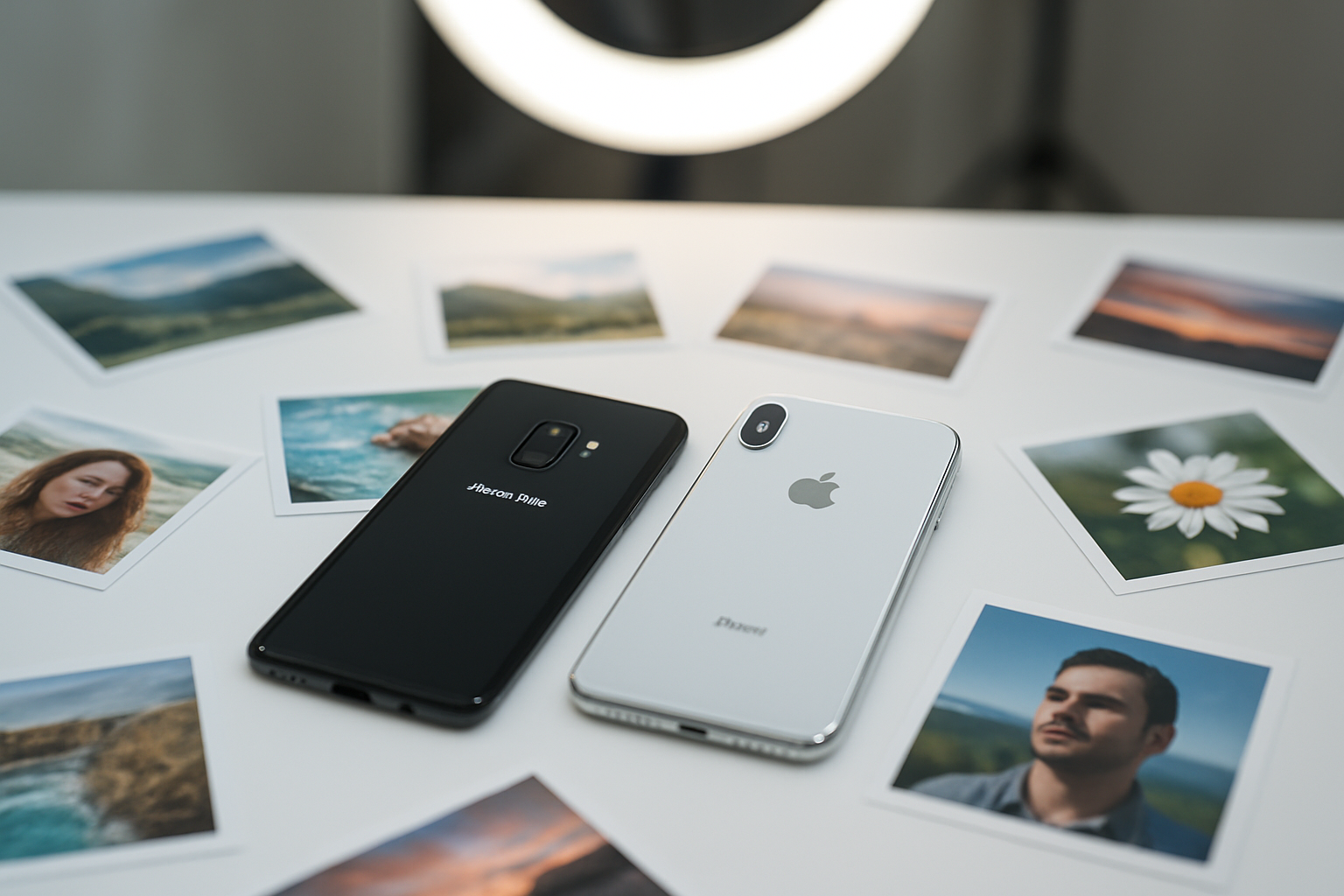
The Galaxy S9 vs iPhone X camera battle really heats up when you look at their daytime performance. Both phones capture stunning photos in good lighting, but they take different approaches to color science.
The Galaxy S9 delivers vibrant, punchy colors that make your photos pop on social media. Samsung’s processing tends to boost saturation and contrast, creating images that look more dramatic than what your eyes actually see. Blues become deeper, greens more lush, and skin tones get a warm, healthy glow.
iPhone X takes a more neutral approach with its camera quality, aiming for accuracy over visual impact. Apple’s computational photography produces images that closely match real-life colors, making them ideal for professional use or when you want true-to-life results. The iPhone X excels at preserving fine details in highlights and shadows.
| Aspect | Galaxy S9 | iPhone X |
|---|---|---|
| Color Style | Vibrant, saturated | Natural, accurate |
| Detail Retention | Good | Excellent |
| Dynamic Range | Very Good | Outstanding |
| Processing | Heavy enhancement | Subtle refinement |
Both cameras handle sharpness well, though the Galaxy S9 sometimes applies aggressive sharpening that can create artificial-looking edges in certain conditions.
Low Light and Night Mode Capabilities
Low light photography reveals the biggest differences between these smartphone camera specs. The Galaxy S9’s wider f/1.5 aperture gives it a theoretical advantage in dark conditions, allowing more light to hit the sensor.
The Galaxy S9 performs admirably in challenging lighting, producing brighter images with less noise than many competitors. Its variable aperture system automatically switches between f/1.5 and f/2.4 depending on lighting conditions, optimizing performance for each scenario.
iPhone X relies more heavily on computational photography and image stacking to combat noise. While it doesn’t gather as much light physically, Apple’s A11 Bionic chip processes multiple exposures to create cleaner final images. The results often show better color accuracy in mixed lighting situations.
Galaxy S9 Low Light Strengths:
- Brighter overall exposure
- Better performance in extremely dark conditions
- Less blur from camera shake due to faster shutter speeds
iPhone X Low Light Strengths:
- Superior noise reduction
- More accurate white balance under artificial lighting
- Better detail preservation in shadows
Neither phone had dedicated night modes in 2018, so performance relied purely on hardware capabilities and basic software processing.
Portrait Mode and Background Blur Effects
Portrait photography showcases how different these cameras approach depth effects. Both phones use different methods to create background blur, leading to distinct results in this smartphone photography comparison.
Galaxy S9 uses its dual-pixel autofocus system to estimate depth, creating what Samsung calls “Live Focus.” The effect works well with clear subject separation, but struggles with complex backgrounds or fine details like hair strands. The blur effect can look artificial around edges, and the phone sometimes misidentifies parts of the subject as background.
iPhone X employs its TrueDepth camera system and dual-lens setup for Portrait Mode. Apple’s depth mapping proves more sophisticated, creating more natural-looking bokeh that better mimics professional camera results. The iPhone excels at maintaining sharp edges around subjects while creating smooth background transitions.
Portrait Mode Comparison:
| Feature | Galaxy S9 Live Focus | iPhone X Portrait Mode |
|---|---|---|
| Edge Detection | Good | Excellent |
| Bokeh Quality | Artificial-looking | Natural |
| Subject Separation | Struggles with complex scenes | Handles most scenarios well |
| Processing Speed | Fast | Moderate |
The iPhone X also offers Portrait Lighting effects, adding studio-style lighting to portraits. While gimmicky, these features show Apple’s commitment to computational photography innovation. The Galaxy S9’s approach feels more straightforward but less refined in execution.
Video Recording Capabilities
4K Video Quality and Frame Rate Options
Both devices excel in 4K video recording, but with distinct approaches. The Galaxy S9 records 4K at 60fps, while the iPhone X caps at 30fps for 4K recording. This frame rate difference makes the Galaxy S9 particularly appealing for capturing fast-moving subjects with incredibly smooth playback.
The iPhone X compensates with superior color science and dynamic range in its 4K footage. Apple’s processing algorithms deliver more natural skin tones and better highlight retention compared to Samsung’s occasionally oversaturated output. However, the Galaxy S9’s higher frame rate provides more flexibility for post-production work and creates stunning slow-motion effects when played back at standard speeds.
| Feature | Galaxy S9 | iPhone X |
|---|---|---|
| 4K Frame Rate | 60fps | 30fps |
| File Size (1 min) | ~375MB | ~270MB |
| Bitrate | ~48 Mbps | ~45 Mbps |
Slow Motion Recording Features
Samsung takes a commanding lead in slow motion capabilities with the Galaxy S9’s groundbreaking 960fps super slow motion recording. This feature captures 0.2 seconds of real-time footage and stretches it into approximately 6 seconds of playback, creating dramatic effects that were previously reserved for professional equipment.
The iPhone X offers 240fps slow motion at 1080p resolution, which produces excellent results for typical slow motion needs. While this frame rate works perfectly for sports, water splashes, or hair movement, it can’t match the Galaxy S9’s almost surreal capture capabilities.
The Galaxy S9’s slow motion mode includes automatic motion detection, which triggers recording when movement enters a designated area of the frame. This hands-free approach proves invaluable for capturing spontaneous moments like a falling drop of water or a pet’s quick movement.
Video Stabilization Performance
Both smartphones feature optical image stabilization, but their implementations differ significantly. The iPhone X utilizes Apple’s cinematic video stabilization, which provides remarkably smooth footage even during walking or light jogging. The stabilization system works seamlessly across all recording modes without introducing the jittery artifacts common in digital stabilization.
The Galaxy S9 offers solid stabilization performance, though not quite matching the iPhone X’s consistency. Samsung’s approach tends to be more aggressive in correction, which occasionally results in slight warping at the edges of the frame during rapid movements. However, the Galaxy S9 performs admirably in most real-world scenarios.
Stabilization Effectiveness:
- iPhone X: Excellent across all scenarios, minimal artifacts
- Galaxy S9: Very good performance, occasional edge warping
Audio Recording Quality
Audio capture reveals another area where these devices pursue different philosophies. The iPhone X delivers clean, balanced audio with excellent noise reduction algorithms that effectively minimize background noise while preserving voice clarity. The built-in microphones provide consistent performance across various environments.
The Galaxy S9 incorporates AKG-tuned audio technology, producing richer sound with enhanced bass response. The device offers more customization options for audio recording, including directional recording modes that focus on specific sound sources. However, wind noise can occasionally overwhelm the Galaxy S9’s microphones in outdoor conditions.
Both devices support external microphone accessories, but the iPhone X generally provides more reliable audio synchronization and fewer compatibility issues with third-party recording equipment.
Camera Software and AI Features
Scene Recognition and Auto-Optimization
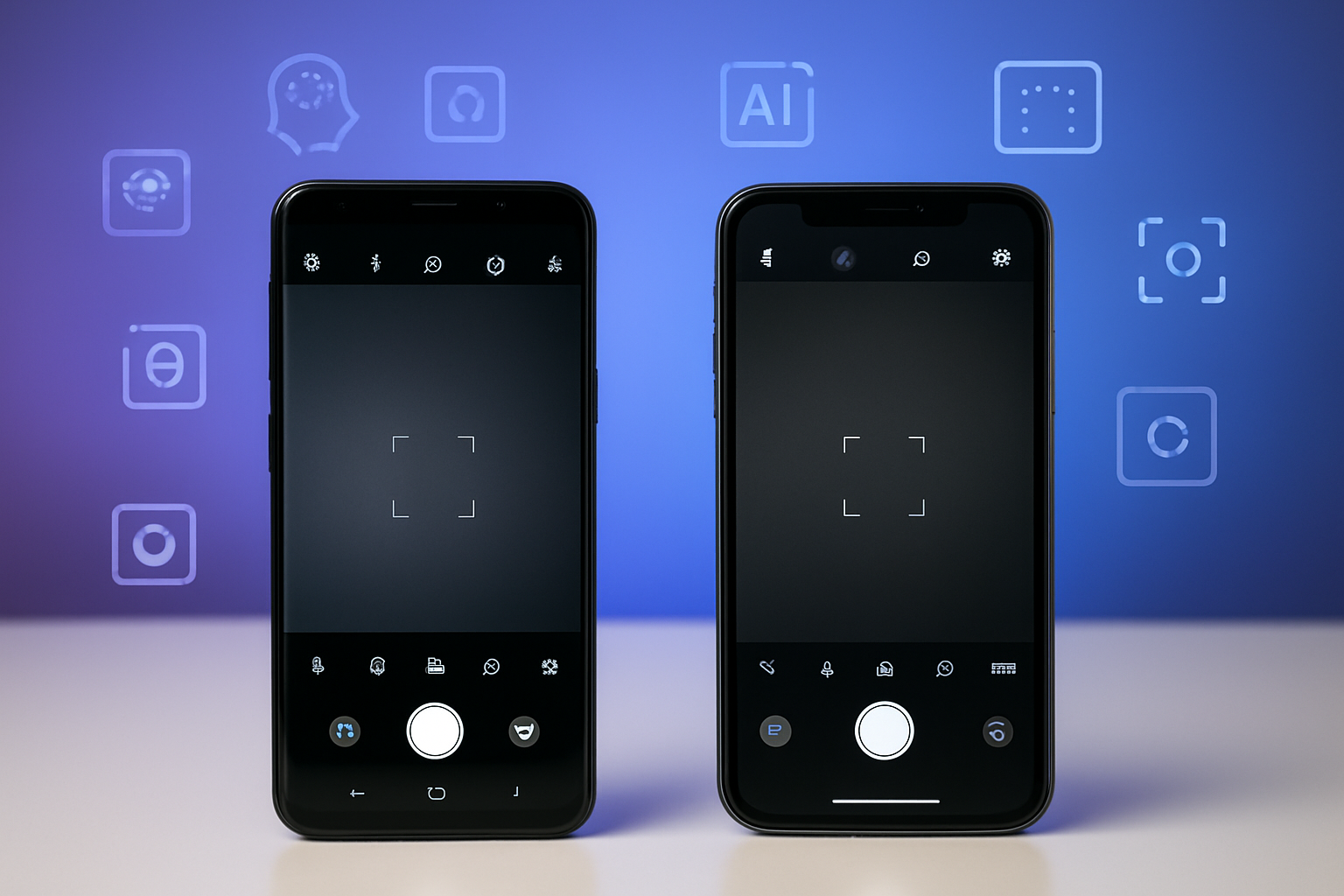
The Galaxy S9 and iPhone X take completely different approaches to recognizing what you’re photographing. Samsung’s camera comes packed with 20 different scene modes that automatically kick in when the phone detects specific subjects like food, landscapes, or portraits. The Galaxy S9 camera quality gets a serious boost from this feature – it’ll pump up the saturation for sunset shots, enhance blues in beach scenes, and make your dinner look Instagram-ready without any effort on your part.
Apple keeps things simpler with the iPhone X. Instead of throwing dozens of scene modes at you, their system focuses on analyzing the overall lighting and composition to make subtle adjustments. The iPhone X camera performance shines through its ability to maintain natural-looking colors while still optimizing exposure and contrast. Where Samsung goes bold with its adjustments, Apple stays conservative.
Both phones excel at portrait detection, but they handle it differently. The Galaxy S9 uses its dual-aperture system along with software recognition to blur backgrounds, while the iPhone X relies heavily on its dual-camera setup and depth-sensing capabilities. The smartphone camera comparison 2018 data shows both approaches work well, though Samsung’s tends to produce more dramatic results.
Manual Controls and Pro Mode Options
Samsung absolutely dominates this category. The Galaxy S9 offers extensive manual controls that rival dedicated camera apps. You get full control over ISO (up to 3200), shutter speed, white balance, and focus. The interface lets you adjust each setting independently, making it perfect for photography enthusiasts who want to experiment with different techniques.
The iPhone X takes a more streamlined approach. While you don’t get the same level of granular control, the built-in camera app provides exposure compensation and focus locking. Third-party apps can unlock more manual features, but out of the box, Apple prioritizes simplicity over advanced controls.
Here’s how the manual controls stack up:
| Feature | Galaxy S9 | iPhone X |
|---|---|---|
| ISO Control | 50-3200 | Limited (via third-party) |
| Shutter Speed | 1/24000 – 10s | Limited |
| White Balance | Full range | Auto only |
| Manual Focus | Yes | Focus locking only |
| RAW Support | Yes | Yes (third-party apps) |
Real-Time Photo Enhancement Algorithms
Both phones process images differently as you’re taking them. The Galaxy S9 vs iPhone X camera battle really heats up when you look at how each phone handles real-time processing. Samsung’s approach involves aggressive noise reduction and sharpening algorithms that kick in immediately. You’ll notice the Galaxy S9 produces images that look punchy and vibrant straight out of the camera, especially in challenging lighting conditions.
Apple’s processing philosophy leans toward preserving natural textures and colors. The iPhone X runs sophisticated algorithms that analyze multiple exposures in milliseconds, combining them to create a single optimized image. This technique, called Smart HDR, helps balance highlights and shadows without creating the over-processed look that sometimes plagues Samsung’s approach.
The mobile camera AI features really show their differences in low-light situations. Samsung’s multi-frame processing combines up to 12 shots to reduce noise, while Apple focuses on maintaining detail and color accuracy across fewer frames. Both methods work well, but they produce distinctly different aesthetic results that appeal to different photography styles.
User Experience and Interface Design
Camera App Speed and Responsiveness
When comparing the Galaxy S9 vs iPhone X camera performance in daily use, the speed difference becomes immediately apparent. The iPhone X launches its camera app in roughly 0.8 seconds from the lock screen, while the Galaxy S9 takes about 1.2 seconds. This might seem minimal, but those extra milliseconds matter when capturing spontaneous moments.
The Galaxy S9 shows occasional stuttering when switching between camera modes, particularly when jumping from standard photo to Pro mode or Live Focus. The iPhone X maintains consistently smooth transitions between Portrait, Video, and Photo modes without noticeable lag. Processing speed after taking photos also favors Apple’s device – the iPhone X processes and saves images faster, allowing users to take consecutive shots without waiting.
However, the Galaxy S9 compensates with superior multitasking capabilities. Users can quickly switch to other apps while the camera processes images in the background, something the iPhone X handles less gracefully.
Intuitive Controls and Accessibility
The Galaxy S9 camera quality experience benefits from Samsung’s more customizable interface. Users can rearrange camera modes, adjust the quick settings panel, and access manual controls directly from the main screen. The Pro mode offers granular control over ISO, shutter speed, and white balance with easy-to-understand visual indicators.
Apple’s approach prioritizes simplicity. The iPhone X camera interface feels more streamlined, with fewer options cluttering the screen. Portrait mode activation requires just one tap, and the depth effect preview appears instantly. However, this simplicity comes at the cost of manual control – users wanting to adjust exposure or focus manually must rely on basic tap-and-slide gestures.
Both devices offer excellent accessibility features, but the Galaxy S9 provides more customization options for users with specific needs, including larger button sizes and voice commands for hands-free operation.
Quick Launch and Capture Speed
Double-tapping the power button launches the Galaxy S9 camera from any state, including when the phone is completely off. This feature works reliably and consistently. The iPhone X requires either accessing the lock screen camera icon or using Control Center, which takes slightly longer.
Shutter lag tells a different story. The iPhone X camera performance excels with virtually zero delay between pressing the shutter and image capture. The Galaxy S9 shows minimal but noticeable shutter lag, especially in challenging lighting conditions where the camera needs extra processing time.
Both phones support volume button shutter activation, but the iPhone X also allows users to hold the volume button for burst mode, while the Galaxy S9 requires holding the on-screen shutter button.
Photo Organization and Gallery Features
Samsung’s Gallery app provides superior organization tools compared to Apple’s Photos app. The Galaxy S9 automatically sorts images by location, creates albums based on detected subjects, and offers more advanced search functionality. Users can easily find photos of specific people, objects, or locations without manual tagging.
The iPhone X integrates tightly with iCloud and offers excellent cross-device synchronization. Photos taken on the iPhone X appear almost instantly on connected Mac computers and iPads. The smartphone camera comparison 2018 reveals that Apple’s ecosystem integration remains unmatched.
Both devices offer basic editing tools within their respective gallery apps, but the Galaxy S9 provides more comprehensive built-in editing options, including advanced filters and adjustment tools that rival dedicated photo editing apps.
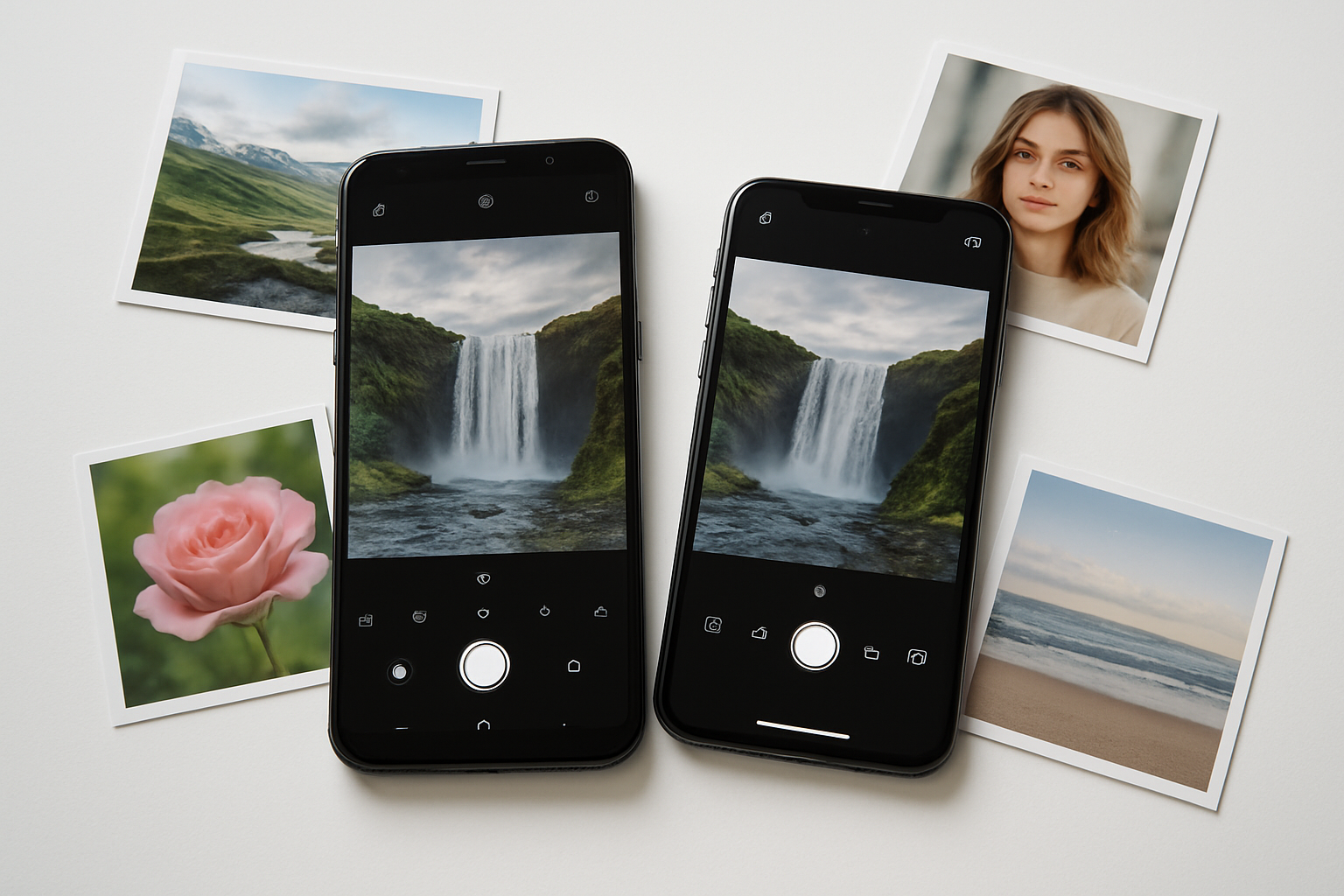
Both phones pack serious camera power, but they shine in different ways. The Galaxy S9 delivers incredible versatility with its dual aperture system and excels in low-light situations, while the iPhone X offers consistently excellent photos with its Portrait mode and superior video stabilization. Your choice really comes down to what matters most to you – Samsung’s technical innovation and manual controls, or Apple’s seamless user experience and reliable results.
The camera war between these flagships shows there’s no clear winner across the board. If you love tweaking settings and want the best night photography, the Galaxy S9 is your phone. But if you prefer point-and-shoot simplicity with professional-looking results every time, the iPhone X won’t disappoint. Either way, you’re getting a camera that can capture memories beautifully – it’s just a matter of which approach fits your style better.